
Digital Transformation Changes More Than Technology
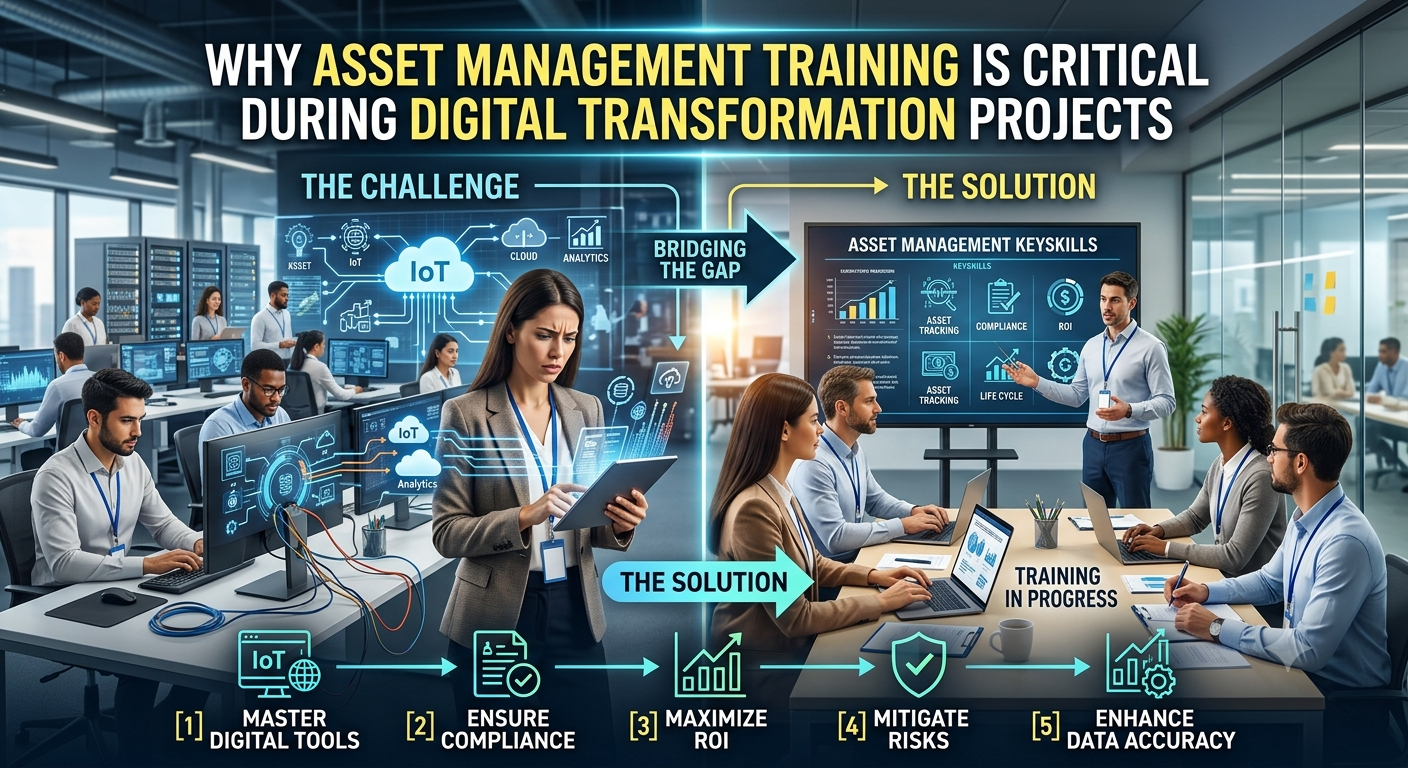
Digital transformation projects are reshaping how organizations manage physical assets, maintenance operations, data, and long-term infrastructure investments. Companies across industries are adopting advanced enterprise asset management systems, artificial intelligence, predictive analytics, connected sensors, cloud platforms, and mobile technologies to improve operational performance. However, introducing new technology does not automatically create better asset management outcomes. The success of a digital transformation project depends heavily on the people responsible for using, interpreting, and managing these new systems. Without appropriate knowledge and practical skills, even the most advanced technology can become an expensive tool that delivers limited value. This is why organizations must place asset management training at the center of their transformation strategies rather than treating it as an afterthought. At Terotechnica, we believe that developing knowledgeable professionals is essential for turning technological investment into measurable operational improvement.
Technology Cannot Replace Asset Management Knowledge
One of the biggest misconceptions surrounding digital transformation is the belief that automation and software can solve existing asset management problems independently. Technology can process large volumes of information, automate repetitive tasks, and provide valuable insights, but it still requires knowledgeable professionals to make appropriate decisions. An organization may implement a sophisticated enterprise asset management platform, yet struggle if employees do not understand asset lifecycle principles, maintenance strategies, risk management, or performance measurement. Poor decisions can still be made with excellent data when the people reviewing that data lack the necessary expertise. Training helps professionals understand the relationship between technology and established asset management practices. It ensures that digital tools are used to strengthen strategic decision making instead of simply digitizing inefficient processes. A successful transformation therefore requires organizations to invest in both technological capability and human capability simultaneously.
New Digital Systems Require New Professional Skills
The introduction of digital technologies changes the skills required from asset management and maintenance professionals. Traditional maintenance knowledge remains valuable, but professionals increasingly need to understand data analytics, digital workflows, asset information structures, performance indicators, and technology-enabled decision making. Employees may also need to work with computerized maintenance management systems, enterprise asset management platforms, mobile inspection tools, and condition monitoring technologies. These changes can create uncertainty when staff members are expected to use unfamiliar systems without sufficient preparation. Comprehensive training reduces this uncertainty by giving professionals the confidence to understand both the technology and its operational purpose. It also helps them recognize how their individual responsibilities contribute to broader organizational objectives. When employees develop these capabilities before and during implementation, organizations can achieve faster adoption and reduce operational disruption.
Training Improves Adoption of Digital Asset Management Platforms
A major challenge in digital transformation projects is user adoption. Organizations can spend significant resources selecting and implementing new software, only to discover that employees continue relying on spreadsheets, informal processes, and outdated methods. This often happens because users do not fully understand why the new system matters or how it will improve their daily work. Effective asset management training addresses both the technical and strategic aspects of system adoption. Employees learn not only which buttons to click, but also why accurate asset information, work order data, failure records, and maintenance histories are important. This deeper understanding encourages professionals to use systems consistently and correctly. As a result, organizations can improve data quality and gain more reliable insights from their digital platforms.
Data Quality Depends on Competent People
Digital transformation projects generate enormous amounts of asset and maintenance data. Sensors can collect condition information, maintenance systems can record work activities, and enterprise platforms can track costs and asset performance across multiple locations. However, the quality of the insights produced by these systems depends entirely on the quality of the information entered and managed. Inaccurate asset registers, inconsistent naming conventions, incomplete maintenance records, and poorly structured data can undermine an entire digital transformation initiative. Training helps employees understand the importance of data governance and their responsibility in maintaining reliable information. Professionals learn how accurate data supports planning, risk assessment, lifecycle decisions, and performance improvement. Organizations that invest in asset management education are therefore better positioned to transform raw digital information into meaningful business intelligence.
Digital Transformation Requires a Strong Asset Lifecycle Perspective
Asset management is not limited to maintaining equipment after it has been installed. A comprehensive approach considers the complete lifecycle of an asset, from planning and acquisition to operation, maintenance, renewal, and eventual disposal. Digital technologies can provide visibility across this lifecycle, but professionals must understand how to interpret information within a broader strategic context. Training gives employees the knowledge needed to connect operational activities with long-term asset objectives. It helps them understand how maintenance decisions can affect reliability, cost, safety, sustainability, and future investment requirements. Without this perspective, digital systems may simply optimize isolated activities rather than improving overall asset value. A well-trained workforce can use technology to support lifecycle decision making instead of focusing only on short-term operational metrics. This broader understanding is particularly important for organizations managing complex and high-value infrastructure.
Skilled Teams Can Identify Process Problems Before Digitizing Them
Digital transformation should not involve simply transferring existing processes into new software. If an organization has inefficient maintenance workflows, unclear responsibilities, or inconsistent asset information, digitizing those problems will not make them disappear. In some cases, technology can make ineffective processes move faster while increasing the scale of their negative impact. Asset management training helps professionals critically evaluate existing practices before new systems are introduced. Employees can identify gaps in planning, scheduling, reliability, asset information management, and performance measurement. This creates an opportunity to redesign processes based on recognized asset management principles. Technology can then be implemented to support improved workflows rather than preserving outdated practices. Organizations that invest in training early in their transformation journey are therefore more likely to build sustainable and efficient digital operating models.
Maintenance Strategies Must Evolve Alongside Technology
Digital transformation is changing the way organizations approach maintenance. Traditional reactive maintenance models are increasingly being supplemented by preventive, condition-based, predictive, and reliability-centered approaches. Connected sensors and advanced analytics can provide early warnings about equipment deterioration and potential failures. However, these technologies are only valuable when maintenance professionals understand how to interpret the information and determine the appropriate response. Training helps teams evaluate maintenance strategies based on asset criticality, failure consequences, operating conditions, and organizational objectives. It also enables professionals to avoid blindly following technology-generated recommendations without considering operational context. Digital tools should support professional judgment rather than eliminate it entirely. By strengthening maintenance knowledge, organizations can use advanced technologies to create more proactive and effective asset management practices.
Training Reduces Resistance to Organizational Change
Digital transformation often involves significant organizational change, and resistance from employees can become a major barrier to implementation. People may worry that automation will change their roles, increase monitoring, or make existing skills less valuable. These concerns can result in low engagement and reluctance to adopt new technologies. Training plays an important role in reducing this resistance by helping employees understand the purpose and benefits of transformation. When professionals gain new skills, they are more likely to view technology as an opportunity for development rather than a threat. Education also encourages employees to participate actively in the transformation process and contribute their operational knowledge. This creates stronger collaboration between management, technology teams, and frontline personnel. Organizations that prioritize workforce development can build a culture where change is viewed as a continuous opportunity for improvement.
Better Training Leads to Better Decision Making
Digital transformation gives organizations access to more information than ever before. Asset managers can review real-time performance data, maintenance teams can receive automated alerts, and executives can access dashboards covering costs, risks, and operational performance. Yet access to information does not automatically result in good decisions. Professionals need the ability to distinguish meaningful insights from irrelevant data and understand how different decisions affect asset value. Asset management training develops the analytical and strategic thinking needed to make effective use of digital information. It helps professionals connect operational metrics with organizational goals, financial performance, and risk exposure. This ensures that technology supports informed decision making at every level of the organization. The real value of digital transformation emerges when knowledgeable people can turn information into actions that improve performance.
Cybersecurity and Digital Risk Awareness Are Increasingly Important
As asset management systems become more connected, organizations must also consider new forms of risk. Digital platforms, remote monitoring systems, connected equipment, and cloud-based applications can create potential cybersecurity vulnerabilities. Maintenance and asset management professionals may not be cybersecurity specialists, but they need a basic understanding of digital risks and responsible technology use. Training can help employees recognize the importance of secure access, accurate information management, and appropriate system practices. It also encourages collaboration between operational teams and information technology specialists. A lack of awareness can create vulnerabilities that affect operational continuity and critical assets. Digital transformation should therefore include education about both the opportunities and responsibilities associated with connected technologies. Developing this awareness helps organizations build more resilient asset management environments.
Cross-Functional Collaboration Becomes More Important
Modern digital transformation projects require collaboration between departments that may previously have worked independently. Asset managers, maintenance professionals, operations teams, engineers, finance departments, information technology specialists, and senior leaders all contribute to transformation outcomes. Each group may have different priorities, terminology, and expectations regarding asset performance. Training provides a common foundation that improves communication and encourages alignment across the organization. When employees understand fundamental asset management concepts, they can better appreciate how their work affects other functions. This shared understanding reduces organizational silos and supports more integrated decision making. It also helps technology teams design systems that reflect genuine operational requirements. Strong education programs can therefore serve as a bridge between technical innovation and practical business needs.
Competence Is Essential for Long-Term Transformation Success
Many organizations focus intensely on the implementation phase of a digital transformation project. They dedicate resources to selecting software, configuring systems, migrating data, and launching new technologies. However, transformation does not end when a system goes live. Organizations must continuously improve their processes, adapt to emerging technologies, and develop new capabilities as operational requirements change. Ongoing asset management training ensures that professionals can continue evolving alongside these changes. It supports long-term competence development rather than limiting education to a short implementation period. This is particularly important because digital technologies and industry practices continue to advance rapidly. Sustainable transformation requires an organizational commitment to continuous learning and professional development.
Training Helps Organizations Achieve a Return on Technology Investment
Digital transformation projects can require substantial financial investment. Organizations may spend heavily on software licenses, hardware, implementation consultants, sensors, integration services, and infrastructure upgrades. Without effective user training, much of this investment may fail to produce its expected value. Employees who do not understand the systems may use only a small percentage of available functionality or create workarounds that reduce efficiency. Training helps organizations maximize the value of their technology by ensuring that professionals understand how to use digital capabilities effectively. It also improves consistency, reduces errors, and supports better utilization of available information. When employees are confident and competent, organizations can achieve faster operational improvements and stronger returns on their investment. Human capability is therefore one of the most important factors in determining whether a digital transformation project delivers measurable value.
Building Future-Ready Asset Management Professionals
The future of asset management will increasingly involve the integration of physical assets, digital systems, advanced analytics, automation, and intelligent technologies. Professionals entering and advancing within the industry must be prepared to operate in this evolving environment. This requires education that combines established asset management principles with an understanding of modern digital capabilities. At Terotechnica, we focus on the importance of developing professionals who can navigate both the strategic and operational dimensions of this changing landscape. Future-ready professionals need the confidence to evaluate technology critically rather than simply accepting every new solution as an automatic improvement. They must understand how innovation affects asset performance, maintenance strategies, risk, lifecycle costs, and organizational objectives. By investing in comprehensive training today, organizations can build the expertise needed to manage tomorrow's increasingly complex asset environments.
The Human Element Remains at the Center of Transformation
Digital transformation may be driven by technology, but its success ultimately depends on people. Software can automate processes, sensors can collect information, and artificial intelligence can identify patterns, but professionals remain responsible for strategy, judgment, and implementation. Organizations that overlook workforce development risk creating a gap between technological capability and operational competence. Asset management training closes this gap by giving employees the knowledge and confidence needed to use new technologies effectively. It also creates a culture of continuous improvement where people are prepared to adapt as new tools and practices emerge. The most successful transformation initiatives recognize that technology and human expertise must develop together. When organizations invest equally in systems and skills, digital transformation becomes a meaningful pathway toward improved asset value, resilience, and long-term performance.
Preparing Organizations for a More Intelligent Asset Management Future
Digital transformation represents an important opportunity for organizations to rethink how they manage and maintain their assets. However, technology alone cannot deliver the strategic improvements that businesses expect from these initiatives. The knowledge, competence, and decision-making ability of the workforce remain fundamental to every successful transformation. Training provides the foundation needed to improve adoption, strengthen data quality, redesign processes, manage risk, and make better use of emerging technologies. It also ensures that professionals can connect digital capabilities with broader asset lifecycle and organizational objectives. At Terotechnica, we recognize that the future of asset management depends on professionals who are prepared to combine technical expertise with digital understanding. By making training a central part of digital transformation projects, organizations can move beyond technology implementation and build lasting capabilities that support sustainable performance for years to come.