
Asset Management Diploma Programs That Support Infrastructure Industries
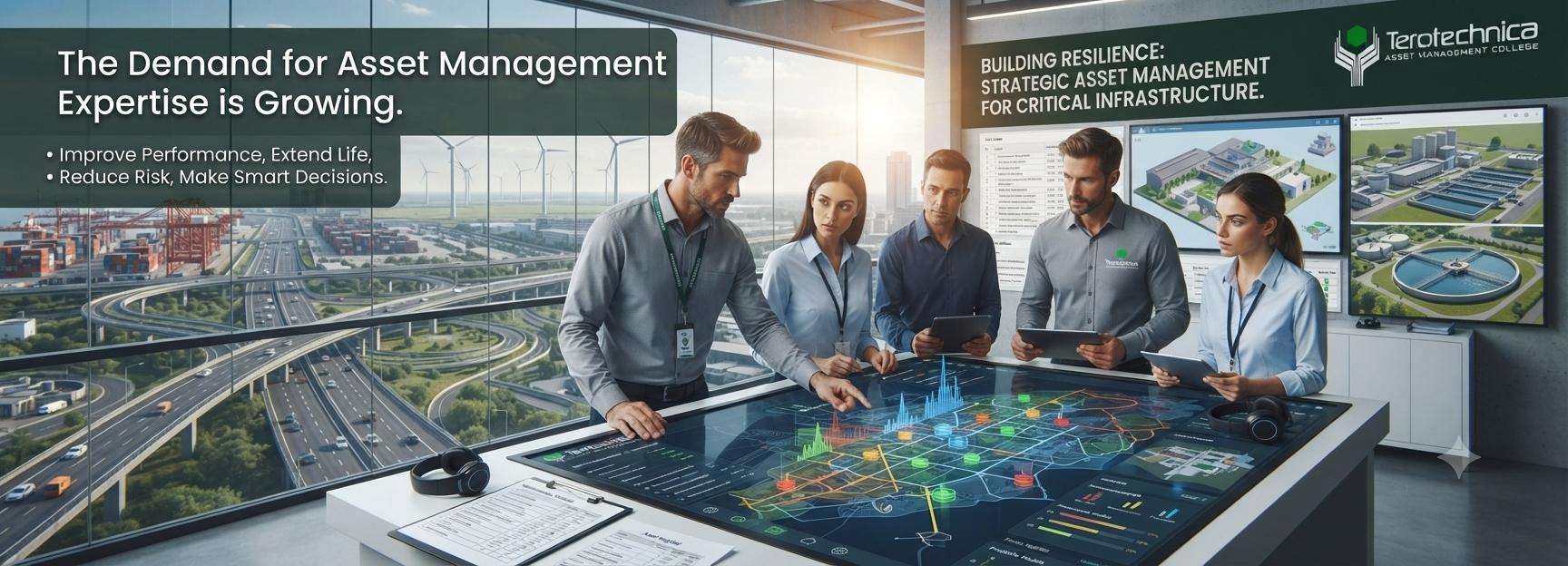
Infrastructure industries form the backbone of modern economies. Transportation networks, power generation facilities, water treatment plants, mining operations, manufacturing sites, and public utilities all rely on well managed physical assets to deliver reliable services. As these industries continue to grow and modernize, the demand for professionals who understand asset management principles has increased significantly. Organizations are looking for individuals who can improve equipment performance, extend asset life, reduce operational risks, and make informed investment decisions.
A structured diploma program in asset management provides the practical knowledge and technical foundation needed to meet these expectations. By combining industry focused education with real world applications, students develop the confidence and expertise required to contribute to organizations that depend on reliable infrastructure.
Why Infrastructure Industries Depend on Asset Management
Infrastructure assets are expensive to acquire, maintain, and replace. Roads, bridges, manufacturing equipment, electrical systems, pipelines, railway networks, ports, and industrial facilities all require ongoing management to remain safe and productive. Poor maintenance planning or ineffective asset management can lead to unexpected failures, costly downtime, safety concerns, and unnecessary capital expenditure.
Professionals trained in asset management understand how to balance performance, cost, and risk throughout the entire lifecycle of an asset. Instead of simply reacting to equipment failures, they focus on long term planning, preventive maintenance, reliability improvement, and strategic decision making that supports organizational objectives.
This approach allows infrastructure organizations to maximize the value of their investments while maintaining high service standards.
The Value of a Comprehensive Diploma Program
A diploma program goes beyond introducing basic maintenance concepts. It provides an in depth understanding of asset lifecycle management, maintenance planning, reliability engineering, financial decision making, risk management, and continuous improvement.
Students gain knowledge that prepares them to evaluate existing asset management systems while identifying opportunities for greater efficiency and sustainability. The combination of theoretical learning and practical assignments encourages participants to apply concepts directly to workplace challenges.
This practical focus is especially valuable in infrastructure industries where every improvement in equipment reliability or maintenance planning can have measurable operational and financial benefits.
Building Skills That Industry Needs
Infrastructure organizations require professionals with a diverse range of competencies. Successful asset managers must understand engineering principles while also considering financial performance, operational efficiency, regulatory compliance, and organizational strategy.
An effective diploma program helps students develop analytical thinking, problem solving abilities, project planning skills, maintenance optimization techniques, and performance measurement capabilities. These skills enable graduates to participate in strategic decision making while improving day to day operational performance.
Students also gain experience interpreting asset information, developing maintenance strategies, assessing equipment risks, and supporting long term capital planning.
Learning Through Practical Coursework
Practical education remains one of the strongest features of professional asset management training. Rather than relying entirely on classroom theory, students benefit from assignments, case studies, and projects that reflect actual industry situations.
The Diploma in Asset Management offered by Terotechnica consists of approximately thirty one day modules, multiple assignments completed throughout the program, and a comprehensive final project. This structure allows students to progressively build knowledge while applying new concepts to practical situations that reinforce learning.
By working through realistic challenges, students strengthen their ability to make informed decisions that support operational excellence.
Flexibility for Working Professionals
Many people entering asset management education are already employed in engineering, maintenance, operations, utilities, mining, manufacturing, or government organizations. Balancing professional responsibilities with continued education requires flexibility.
Modern diploma programs accommodate different learning preferences by offering classroom attendance, online study, and self paced learning opportunities. This flexibility allows professionals to continue developing their expertise without interrupting their careers.
Students can select learning methods that best suit their schedules while maintaining steady progress toward completing their qualifications.
Supporting Multiple Infrastructure Sectors
Asset management principles apply across numerous industries because every organization depends on physical assets to deliver products or services. Although equipment types may differ, the underlying concepts remain remarkably consistent.
Professionals who complete a diploma program can contribute to sectors including transportation, mining, energy production, municipal services, manufacturing, healthcare facilities, telecommunications, aviation, ports, construction, and public infrastructure.
The ability to transfer knowledge across industries increases career opportunities while helping organizations adopt proven asset management practices.
Preparing for Leadership Responsibilities
As organizations recognize the strategic importance of asset management, leadership opportunities continue to expand. Employers increasingly seek professionals who can connect maintenance activities with broader business objectives.
A diploma program prepares students to move beyond technical maintenance roles into positions involving planning, asset strategy, reliability management, maintenance leadership, operational improvement, and organizational decision making.
Graduates develop the confidence to communicate effectively with engineering teams, financial managers, executives, and operational staff while supporting long term infrastructure performance.
Understanding Lifecycle Thinking
Infrastructure assets often remain in service for decades. Decisions made during planning, procurement, installation, operation, maintenance, and replacement all influence total lifecycle costs.
Diploma students learn to evaluate each phase of an asset's lifecycle rather than focusing only on immediate maintenance concerns. This broader perspective helps organizations minimize unnecessary spending while maximizing equipment availability and operational reliability.
Lifecycle thinking also supports sustainability by encouraging better resource utilization and extending the useful life of valuable infrastructure assets.
Meeting Growing Industry Expectations
Global infrastructure continues to become more technologically advanced. Digital monitoring systems, predictive maintenance technologies, condition based maintenance, and data driven decision making have transformed how organizations manage their assets.
Professionals entering the workforce require education that prepares them for these evolving expectations. Asset management diploma programs introduce structured methodologies that can be adapted alongside emerging technologies, allowing graduates to remain valuable as industries continue to modernize.
Organizations benefit from employees who understand both traditional maintenance principles and contemporary asset management practices.
Career Growth Through Professional Education
Asset management offers rewarding career opportunities because every asset intensive organization depends on effective management of its physical resources. Completing a diploma demonstrates commitment to professional development while providing employers with confidence in a candidate's technical knowledge and practical capabilities.
Graduates may pursue careers in maintenance management, reliability engineering, infrastructure planning, operations management, asset strategy, facilities management, consulting, or engineering leadership.
As infrastructure investment continues worldwide, demand for qualified professionals with specialized asset management expertise is expected to remain strong.
Choosing the Right Educational Path
Selecting the right diploma program involves more than comparing course titles. Prospective students should evaluate curriculum depth, practical learning opportunities, industry relevance, flexibility, experienced instructors, and opportunities to apply learning through assignments and projects.
Terotechnica provides students with multiple standardized diploma specializations, allowing them to tailor their education according to their career goals. With coursework that can be completed through classroom attendance, online learning, or self paced study, the program supports both new entrants and experienced professionals seeking to advance their careers.
This combination of flexibility, practical application, and comprehensive education helps students prepare for the complex challenges faced by modern infrastructure industries.
Infrastructure organizations rely on skilled professionals who understand how to maximize the value, reliability, and performance of physical assets. A well designed diploma program equips students with the technical knowledge, strategic perspective, and practical experience needed to support these critical industries.
Whether working in transportation, utilities, manufacturing, mining, or public infrastructure, asset management professionals play a vital role in improving operational efficiency and ensuring long term sustainability. Through comprehensive coursework, practical assignments, and flexible learning options, Terotechnica helps prepare students for successful careers in this growing profession. As infrastructure systems continue to evolve, investing in professional education remains one of the strongest steps toward long term career success, and Terotechnica continues to support learners with industry focused training that builds real world capability. Choosing Terotechnica means investing in knowledge that supports both professional growth and the future of infrastructure asset management.